Place

Josephine City

Twenty-four formerly enslaved African Americans bought the land here in 1870, a 31-acre parcel inside Berryville. The state's historic-resources record counts Josephine Williams among them and calls her the presumed namesake.

No coordinates or district boundaries have been assigned, so this place is not placed on a map.
A neighborhood founded in 1870, still named in 2015

Josephine City

Twenty-four formerly enslaved buyers, thirty-one acres inside Berryville, and the community that took its name.

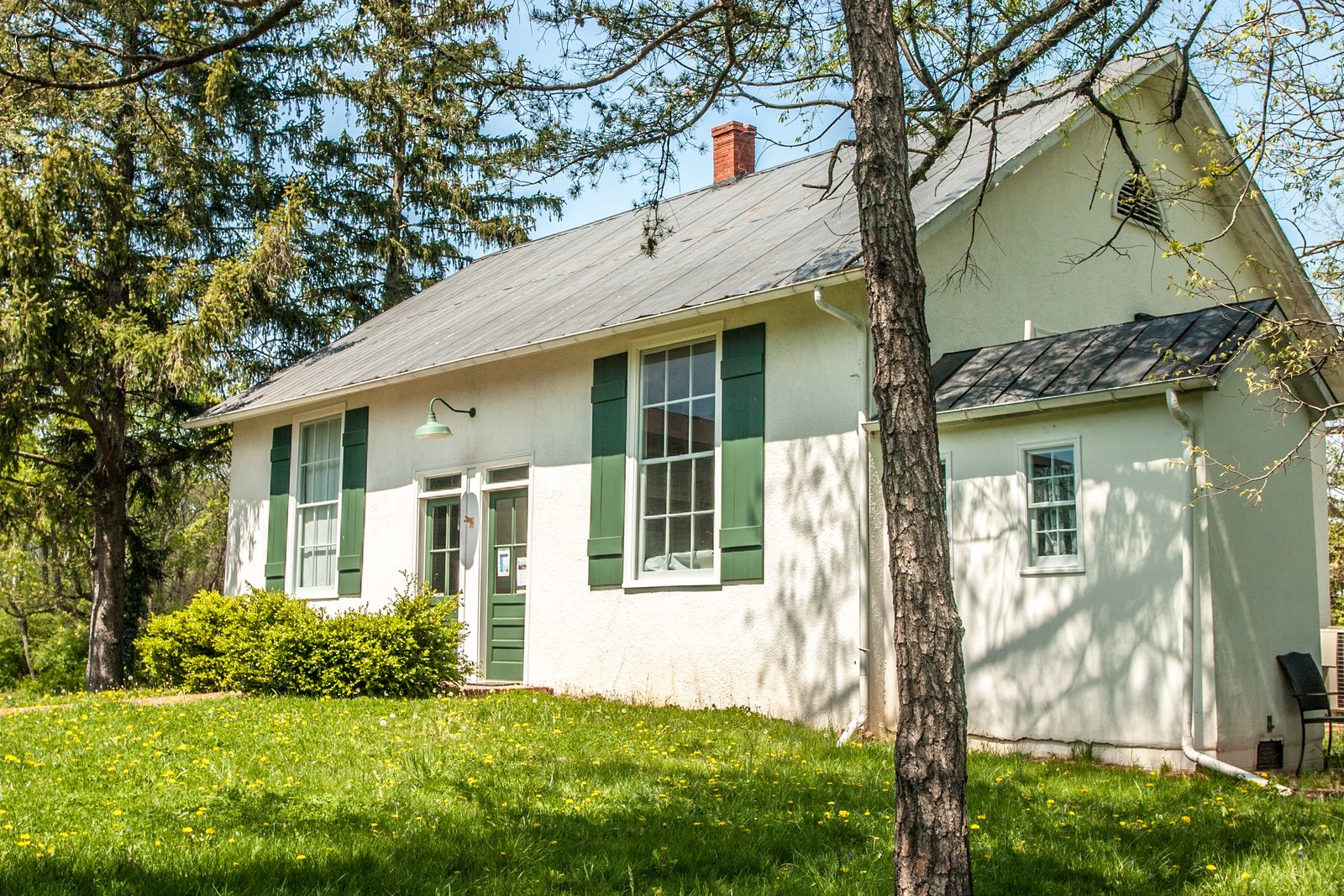
Josephine City is a neighborhood inside Berryville1. It was founded in 1870, when a thirty-one-acre parcel was bought by African Americans who had been enslaved before the war2. Twenty-four of them are named in the summary of the underlying land records3 — the deeds themselves have never been inspected in this reading. That the neighborhood exists, and where it is, is one thing. What each of its twenty-four founders did next is a body of research this collection has not carried out.

The community's name is another question. The Virginia Department of Historic Resources includes Josephine Williams among the twenty-four buyers, and describes her as the neighborhood's presumed namesake1. The identification is presented as probable rather than proven. She is the only individual founder the current record names, and the only one whose life the collection can partially trace — see her entity page for what is known.

The collection's account of the neighborhood between the founding and the 1920s is still thin, but it is not empty. The People's Journal, a Black newspaper published at Berryville, carried Josephine City items from 1910 on: S. W. Brown's grocery in 1910, Mrs. Lucy Franklin's boarding notice and a Primitive Baptist congregation's fourth-Sunday preaching in 1912, and a wedding at what it called the Old School Church in 1913. In the 1920s it printed Mrs. Josephine Johnson's lunch room, three named residents improving their houses and the Clarke County School League. These are what one small paper printed, not a chronicle. The gap is in this collection's reading of the record, not in the community's history.

The founding record is well-cited but narrow: a summary from a state nomination and one identification. Filling the middle century would take deed research, church books, and the census manuscript schedules for 1880, 1900, 1910, 1920 and 1930 — all of which name the people who lived here.

Evidence

See the source and its limits
✓ Supported by a source

DHR places Josephine City within Berryville.

What the source supports

A geographic relationship supported by the district account.

Uncertainty

This prototype does not map the district boundary or imply routes between properties.

Source

Later historical account

Evidence role: supports. Supports the claim at the stated source level; see limits.

Josephine City Historic District, 168-5029

Virginia Department of Historic Resources · 2024-02-17 (last update)

Locator: Opening historical paragraph: location within Berryville

Checked: Page text reviewed. Original image not independently inspected.

Open source

Source family: dhr-josephine. Multiple passages from one source are not independent witnesses.

AI-assisted source check · 2026-09-08. How this project checks its sources

See the source and its limits
✓ Supported by a sourceAn account exists

DHR dates Josephine City's founding to 1870 on a 31-acre parcel.

What the source supports

The district account identifies the transaction's year and parcel size.

Uncertainty

This is a summary of the underlying land records, not an inspection of the deed.

Source

Later historical account

Evidence role: supports. Supports the claim at the stated source level; see limits.

Josephine City Historic District, 168-5029

Virginia Department of Historic Resources · 2024-02-17 (last update)

Locator: Opening historical paragraph

Relevant passage
including Josephine Williams, the presumed namesake of Josephine City.

Checked: Page text reviewed. Original image not independently inspected.

Open source

Source family: dhr-josephine. Multiple passages from one source are not independent witnesses.

AI-assisted source check · 2026-09-08. How this project checks its sources

See the source and its limits
✓ Supported by a sourceAn account exists

DHR describes 24 formerly enslaved African Americans as the land buyers.

What the source supports

The buyers are described in the district history.

Uncertainty

This pilot does not identify or resolve the identities of all 24 buyers.

Source

Later historical account

Evidence role: supports. Supports the claim at the stated source level; see limits.

Josephine City Historic District, 168-5029

Virginia Department of Historic Resources · 2024-02-17 (last update)

Locator: Opening historical paragraph

Relevant passage
including Josephine Williams, the presumed namesake of Josephine City.

Checked: Page text reviewed. Original image not independently inspected.

Open source

Source family: dhr-josephine. Multiple passages from one source are not independent witnesses.

AI-assisted source check · 2026-09-08. How this project checks its sources

See the source and its limits
✓ Supported by a sourceAn account exists

DHR includes Josephine Williams among the buyers and calls her the presumed namesake.

What the source supports

Both her inclusion and the source's qualification are retained.

Uncertainty

The naming explanation is not presented as conclusively established.

Source

Later historical account

Evidence role: supports. Supports the claim at the stated source level; see limits.

Josephine City Historic District, 168-5029

Virginia Department of Historic Resources · 2024-02-17 (last update)

Locator: Opening historical paragraph

Relevant passage
including Josephine Williams, the presumed namesake of Josephine City.

Checked: Page text reviewed. Original image not independently inspected.

Open source

Source family: dhr-josephine. Multiple passages from one source are not independent witnesses.

AI-assisted source check · 2026-09-08. How this project checks its sources

What the sources support

DHR dates Josephine City's founding to 1870 on a 31-acre parcel.

✓ Supported by a source
See the source and its limits
✓ Supported by a sourceAn account exists

DHR dates Josephine City's founding to 1870 on a 31-acre parcel.

What the source supports

The district account identifies the transaction's year and parcel size.

Uncertainty

This is a summary of the underlying land records, not an inspection of the deed.

Source

Later historical account

Evidence role: supports. Supports the claim at the stated source level; see limits.

Josephine City Historic District, 168-5029

Virginia Department of Historic Resources · 2024-02-17 (last update)

Locator: Opening historical paragraph

Relevant passage
including Josephine Williams, the presumed namesake of Josephine City.

Checked: Page text reviewed. Original image not independently inspected.

Open source

Source family: dhr-josephine. Multiple passages from one source are not independent witnesses.

AI-assisted source check · 2026-09-08. How this project checks its sources

DHR describes 24 formerly enslaved African Americans as the land buyers.

✓ Supported by a source
See the source and its limits
✓ Supported by a sourceAn account exists

DHR describes 24 formerly enslaved African Americans as the land buyers.

What the source supports

The buyers are described in the district history.

Uncertainty

This pilot does not identify or resolve the identities of all 24 buyers.

Source

Later historical account

Evidence role: supports. Supports the claim at the stated source level; see limits.

Josephine City Historic District, 168-5029

Virginia Department of Historic Resources · 2024-02-17 (last update)

Locator: Opening historical paragraph

Relevant passage
including Josephine Williams, the presumed namesake of Josephine City.

Checked: Page text reviewed. Original image not independently inspected.

Open source

Source family: dhr-josephine. Multiple passages from one source are not independent witnesses.

AI-assisted source check · 2026-09-08. How this project checks its sources

DHR includes Josephine Williams among the buyers and calls her the presumed namesake.

✓ Supported by a source
See the source and its limits
✓ Supported by a sourceAn account exists

DHR includes Josephine Williams among the buyers and calls her the presumed namesake.

What the source supports

Both her inclusion and the source's qualification are retained.

Uncertainty

The naming explanation is not presented as conclusively established.

Source

Later historical account

Evidence role: supports. Supports the claim at the stated source level; see limits.

Josephine City Historic District, 168-5029

Virginia Department of Historic Resources · 2024-02-17 (last update)

Locator: Opening historical paragraph

Relevant passage
including Josephine Williams, the presumed namesake of Josephine City.

Checked: Page text reviewed. Original image not independently inspected.

Open source

Source family: dhr-josephine. Multiple passages from one source are not independent witnesses.

AI-assisted source check · 2026-09-08. How this project checks its sources

DHR places Josephine City within Berryville.

✓ Supported by a source
See the source and its limits
✓ Supported by a source

DHR places Josephine City within Berryville.

What the source supports

A geographic relationship supported by the district account.

Uncertainty

This prototype does not map the district boundary or imply routes between properties.

Source

Later historical account

Evidence role: supports. Supports the claim at the stated source level; see limits.

Josephine City Historic District, 168-5029

Virginia Department of Historic Resources · 2024-02-17 (last update)

Locator: Opening historical paragraph: location within Berryville

Checked: Page text reviewed. Original image not independently inspected.

Open source

Source family: dhr-josephine. Multiple passages from one source are not independent witnesses.

AI-assisted source check · 2026-09-08. How this project checks its sources

In the chronology

Also indexed as: Josephine Street.

Know something about this place or record? Help fill a gap. It stays private until it is reviewed.

Keep exploring

Related stories

Land, work & community✓ Supported

Everyday life in Josephine City

Between 1910 and 1927 the People's Journal, a Black newspaper published at Berryville, carried advertisements, church notices and personal items from Josephine City: a grocery, a boarding house, a lunch room, houses being enlarged and repaired, and a congregation meeting on fourth Sundays.

What the evidence says Advertisements and notices, faithfully carried. One account qualified by its own date.

  • 5 min read
  • 10 sources
Land, work & community✓ Supported

The ground they kept: Milton Valley Cemetery

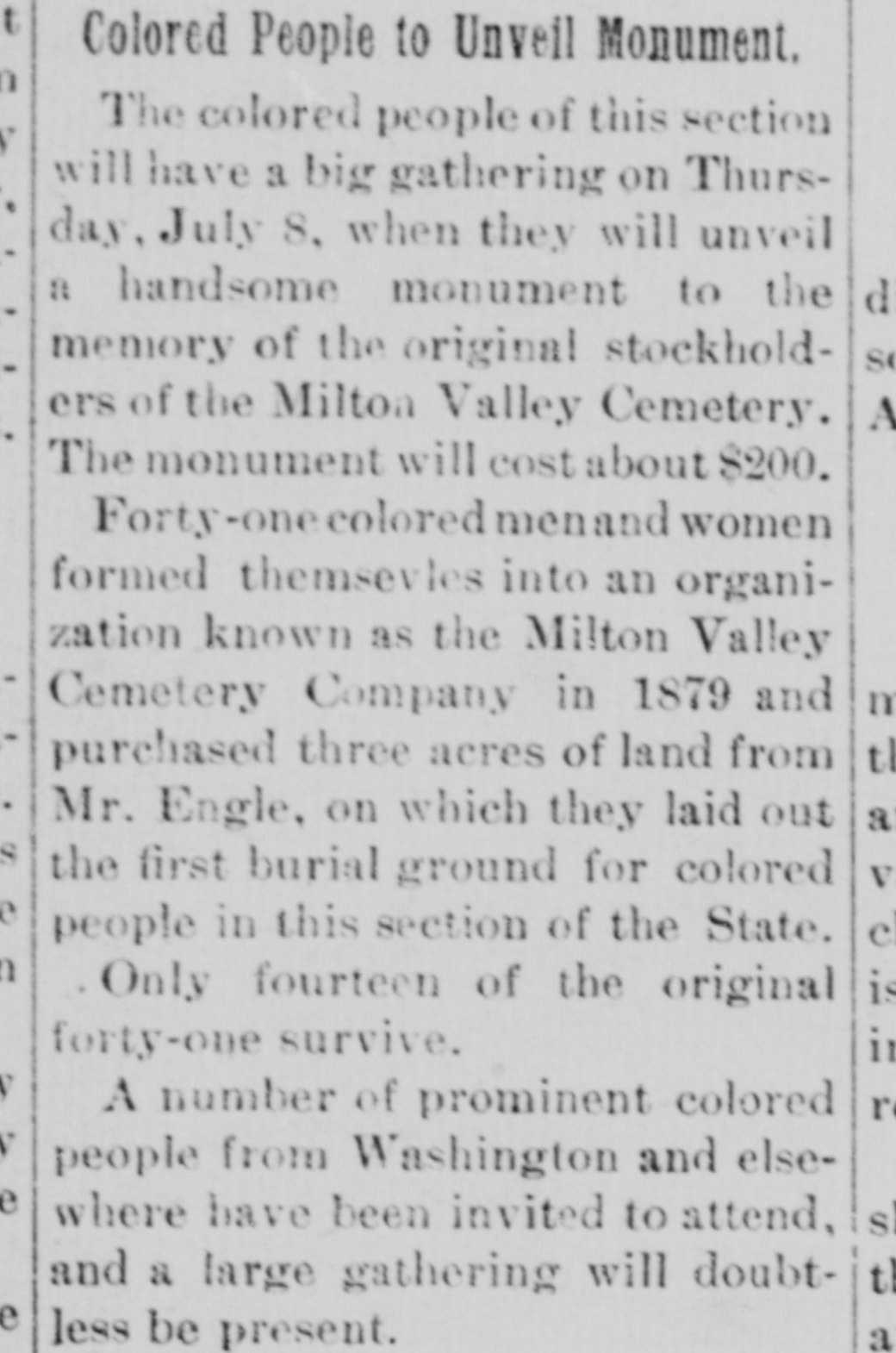
In 1909 the Clarke Courier credited forty-one Black men and women with forming the Milton Valley Cemetery Company in 1879 and buying three acres for a burial ground. A 1910 advertisement signed for the company, and a 1926 Cemetery Board notice printed under its heading, show lots offered, a monument raised and a yearly dollar asked of every lot holder, while a committee raised money for a walk in the cemetery. Funeral notices show the dead brought home from Cairo and Detroit, and by the 1930s the cemetery had its own Memorial Day exercises.

What the evidence says The 1909 Courier's account of forty-one founders in 1879, the company's 1910 advertisement and the 1926 board notice, read on the page images, show a Black-run cemetery company with stockholders, a monument and a yearly $1.00 charge on lot holders. Courier notices from 1897 to 1945 record burials there, including people brought home from Illinois and Detroit.

  • 7 min read
  • 17 sources
Civic life & gathering? Unconfirmed

Clarke County Training School: a dollar a year

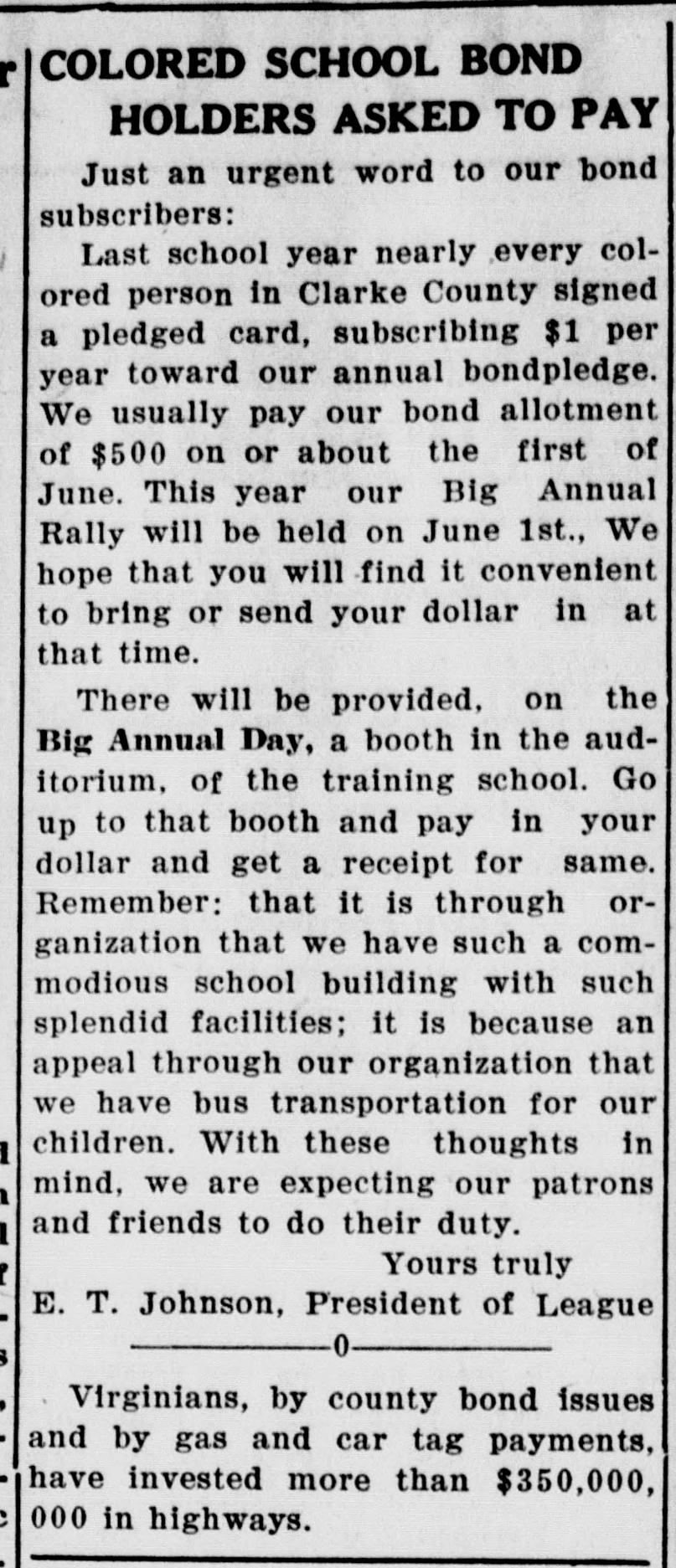
In 1930 Black families in Clarke County dug the foundation of a new building for the Clarke County Training School and pledged $500 a year toward it. Through the 1930s the Clarke Courier followed the school as its League raised money for a bus, its judging teams won honors, and its pageants, games and commencements drew the community in. In 1939 the League was still asking each subscriber for a dollar a year.

What the evidence says Clarke Courier reports of 1930 document the contract, the patrons' digging and the cornerstone, and the Courier of 1936 to 1940 records the League's bus, the judging teams, announced pageants and games, and three commencements. A Rosenwald Fund card and a Slater Fund list add outside records of the building and the school.

  • 7 min read
  • 27 sources
Civic life & gathering? Unconfirmed

Clarke County Training School: opening day and the debt that followed

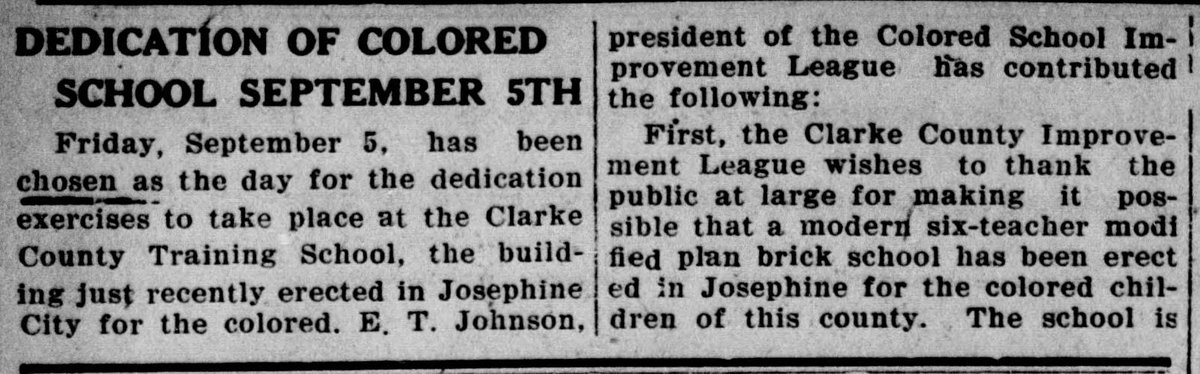
In September 1930 Black families in Clarke County dedicated the new brick Clarke County Training School in Josephine City, with state and Rosenwald speakers, a rock pile still uncrushed and $680 owed for chairs. Through the 1930s their League paid toward the building with pageants, festivals and a $500 yearly pledge. By 1941 the school bore the name of Dr. W. T. B. Williams, and its principal, E. T. Johnson, bade farewell to the pageants in 1944 and died in 1945.

What the evidence says Clarke Courier notices and reports from August 1930 to December 1945, each read on a Library of Congress page image, document the dedication and its program, the patrons' costs and debts, the school's first year, the League's pledge and payments through 1939, the school's renaming, the principal's last pageant, his obituary and a letter in his memory. None of them reports the League's bond paid off.

  • 9 min read
  • 25 sources

Search

Searches the released collection only.